
Hair restoration productsHair vitamins and supplementsVitamin D for hair growth
The Power of Vitamin D for Hair Growth
Learn about the benefits of Vitamin D for preventing hair loss and promoting hair regrowth in both men and women.
Discover the best hair care routine and treatments to prevent and manage female hair loss. From causes to solutions, this article has you covered.
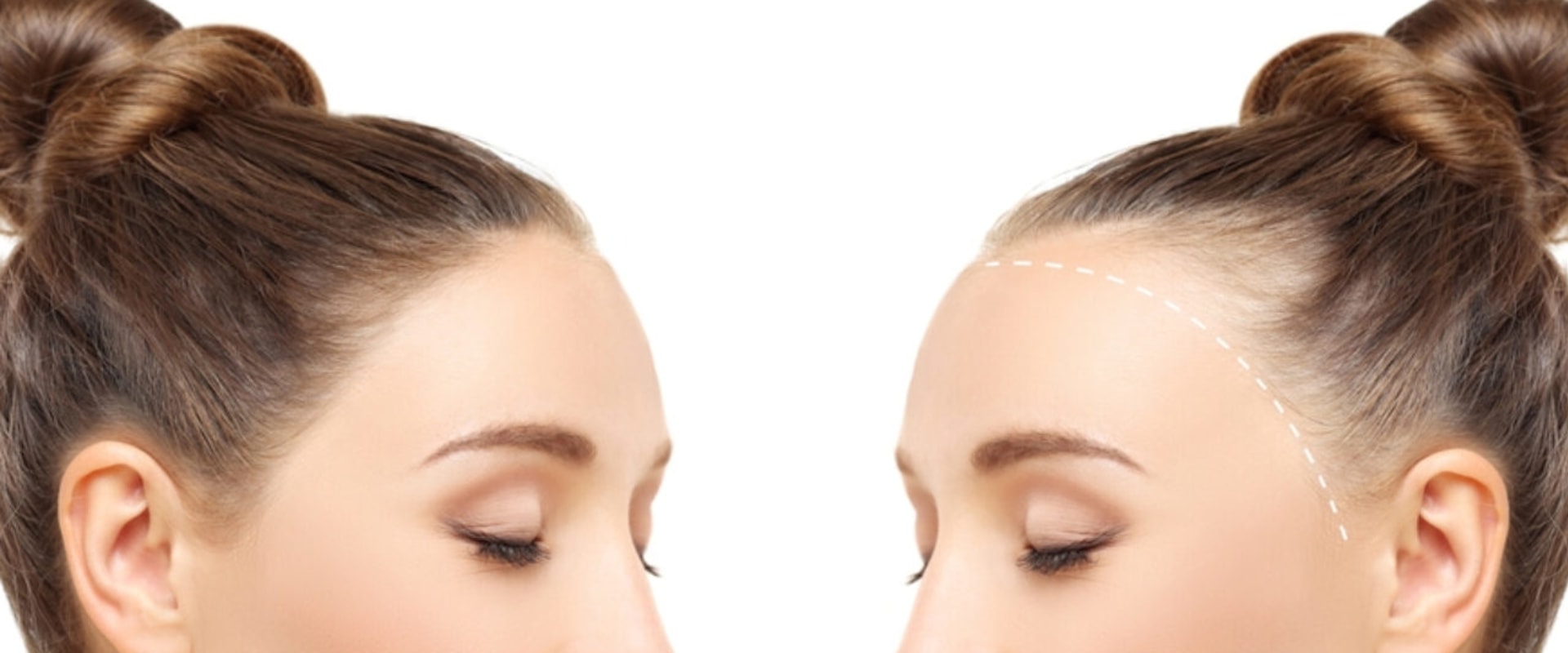
Hair loss is a common problem that affects millions of women worldwide. Whether it's due to genetics, hormonal changes, or other underlying medical conditions, losing hair can be a distressing and emotional experience for many women. However, with the right hair care routine, you can effectively manage and prevent Hair loss is a common problem that affects millions of women worldwide. Whether it's due to genetics, hormonal changes, or other underlying medical conditions, losing hair can be a distressing and emotional experience for many women. However, with the right hair care routine, you can effectively manage and prevent female hair loss. In this article, we will discuss tips and solutions specifically tailored for women to help you maintain a healthy and beautiful head of hair. Hair loss is a common problem that affects millions of women worldwide. Whether it's due to genetics, hormonal changes, or other underlying medical conditions, losing hair can be a distressing and emotional experience for many women. However, with the right hair care routine, you can effectively manage and prevent female hair loss. In this article, we will discuss tips and solutions specifically tailored for women to help you maintain a healthy and beautiful head of hair.
So, if you're struggling with hair loss or simply want to prevent it from happening, keep reading to discover our top hair care tips and solutions. In this article, we will cover everything you need to know about female hair loss and how to manage it. We'll start by discussing the main causes of hair loss in women, such as hormonal changes, genetics, and medical conditions. Hair loss in women can be caused by a variety of factors, including changes in hormones (such as during pregnancy or menopause), genetics (female pattern baldness), and medical conditions (such as thyroid disorders or autoimmune diseases).To prevent hair loss and promote hair growth, it's important to have a proper hair care routine. This includes using the right shampoo, conditioner, and styling products for your hair type.
When shampooing, make sure to use a gentle, sulfate-free formula and massage your scalp to stimulate blood flow. Conditioning is also key, as it helps to nourish and strengthen your hair. Look for products that contain ingredients like biotin, keratin, and collagen to support healthy hair growth. There are also specific products designed for hair loss that can help to prevent further thinning and promote regrowth. These may include topical treatments like minoxidil or supplements containing vitamins and minerals that are essential for healthy hair. In addition to using products, there are also natural remedies and treatments that can help restore your hair's health.
These include things like scalp massages, essential oils, and dietary changes. For example, incorporating more protein-rich foods into your diet can provide your body with the nutrients it needs to produce strong, healthy hair. It's important to remember that experiencing hair loss can be emotionally challenging for many women. It's completely normal to feel upset or self-conscious about thinning hair. However, it's important to take care of yourself both physically and mentally during this time.
Seeking support from loved ones or a therapist can be helpful in coping with the emotional impact of hair loss. In conclusion, managing female hair loss requires a comprehensive approach that addresses both the physical and emotional aspects. By understanding the causes of hair loss and implementing a proper hair care routine, as well as incorporating natural remedies and seeking emotional support, you can take control of your hair health and promote regrowth. Remember to be patient and gentle with your hair, and don't be afraid to seek professional help if needed. With the right tools and mindset, you can overcome female hair loss and feel confident in your appearance once again.
It can affect self-esteem, confidence, and overall well-being. That's why it's important to not only focus on the physical aspects of hair loss, but also the emotional impact it can have. One tip for coping with the emotional effects of hair loss is to surround yourself with a supportive community. Whether it's friends, family, or online support groups, having people who understand and can offer encouragement can make a big difference.
Another way to manage the emotional impact of hair loss is by focusing on self-care. Taking care of your overall health and well-being can help you feel more in control and boost your self-confidence. This can include activities like exercise, meditation, or even treating yourself to a relaxing spa day. It's also important to remember that hair loss does not define you.
You are still the same person, with the same strengths and qualities. It's important to practice self-love and acceptance, and to remind yourself that your worth is not determined by your appearance.
These imbalances can affect the hair growth cycle, leading to excessive shedding and thinning of hair. Genetics also play a role in female hair loss. If your family has a history of hair loss, you may be more prone to experiencing it yourself. In such cases, it is important to take preventive measures early on. Another common cause of hair loss in women is stress. High levels of stress can disrupt the normal functioning of the body, including the hair growth cycle.
This can result in temporary hair loss known as telogen effluvium. Other factors that can contribute to female hair loss include nutritional deficiencies, certain medications, and harsh hairstyling practices. By understanding these main causes of hair loss in women, you can take the necessary steps to prevent and manage it effectively.
If you do use heat styling tools, make sure to use a heat protectant spray beforehand. Another key aspect of a hair care routine for preventing hair loss is promoting scalp health. This can be done by regularly massaging your scalp with essential oils like peppermint or rosemary, which can stimulate hair growth. It's also important to avoid tight hairstyles that can put strain on your scalp. Incorporating a balanced and nutritious diet can also play a crucial role in preventing hair loss. Make sure to include foods rich in protein, iron, and vitamins A, C, and E in your meals to promote healthy hair growth. Lastly, don't forget to take care of your mental and emotional well-being as stress can also contribute to hair loss.
Incorporate relaxation techniques like meditation or yoga into your routine to reduce stress levels.
Some examples include leafy greens, lentils, eggs, and salmon.
It contains sulfur which helps improve blood circulation and stimulate hair follicles. You can apply onion juice directly to your scalp or mix it with a carrier oil.
By understanding the causes of hair loss and implementing a proper hair care routine, you can prevent further hair loss and promote hair growth. Additionally, exploring natural remedies and treatments can help restore your hair's health. Remember, it's also important to address the emotional impact of hair loss and seek support when needed. By following these tips, you can take control of your hair and feel confident and beautiful once again.
Learn about the benefits of Vitamin D for preventing hair loss and promoting hair regrowth in both men and women.
Tips and Solutions for Preventing and Treating Hair Loss During Menopause
Learn about the various lifestyle factors that contribute to hair loss in women and how to prevent it. From diet and stress to hormonal imbalances and hair care, this article covers everything you need to know.
Learn About the Causes of Hair Loss and Find Effective Solutions to Regrow Your Hair
Previous article
Learn about the lifestyle factors that contribute to male pattern baldness and the treatments available to prevent or slow it down. This article will cover everything you need to know about male pattern baldness, including its causes, risk factors, and potential so


